

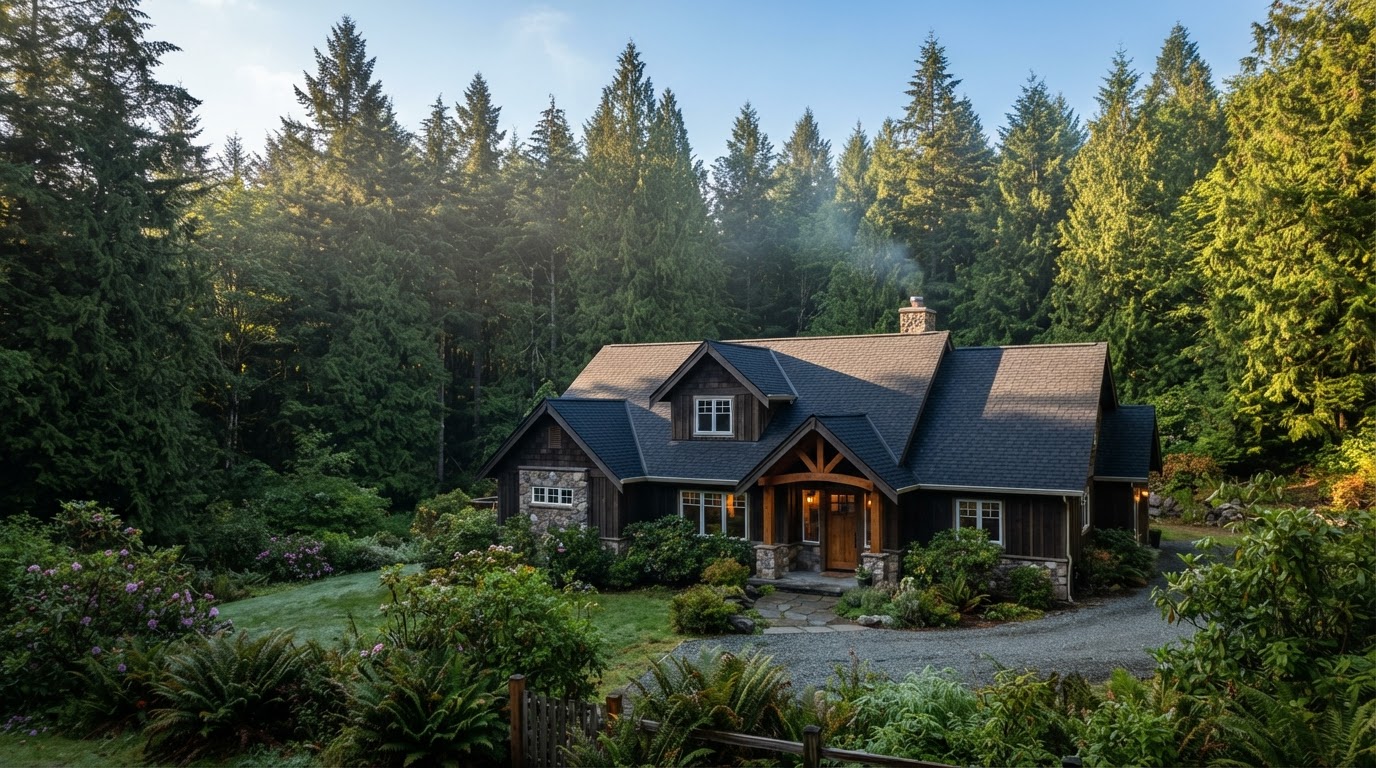
Ask a manufacturer how long a roof lasts and you will get a clean number off a chart. Ask a roofer in Bellevue or Lake Stevens and you will get a different one, because those charts are written for the whole country, and roofs here live a harder life. Constant rain, deep shade, and moss shave years off most materials. Here are the lifespans we actually see on homes in the Pacific Northwest.
Roof Lifespans: Rated vs. Realistic in the Northwest
| Roofing Material | Manufacturer Rating | Realistic Lifespan Here |
|---|---|---|
| 3-tab asphalt shingles | 20 to 25 years | 15 to 18 years |
| Architectural fiberglass shingles | 25 to 30 years | 20 to 25 years |
| Premium designer shingles | 30 to 40 years | 25 to 35 years |
| Cedar shakes | 30 to 40 years | 20 to 30 years |
| Metal roofing | 40 to 70 years | 40 to 70 years |
| Tile and slate | 50 to 100 years | 40 years and up |
Metal is the one material our climate does not shorten. Rain runs off it, moss slides off it, and it does not absorb water, so a metal roof here lives as long as a metal roof anywhere.
Why Roofs Age Faster Here
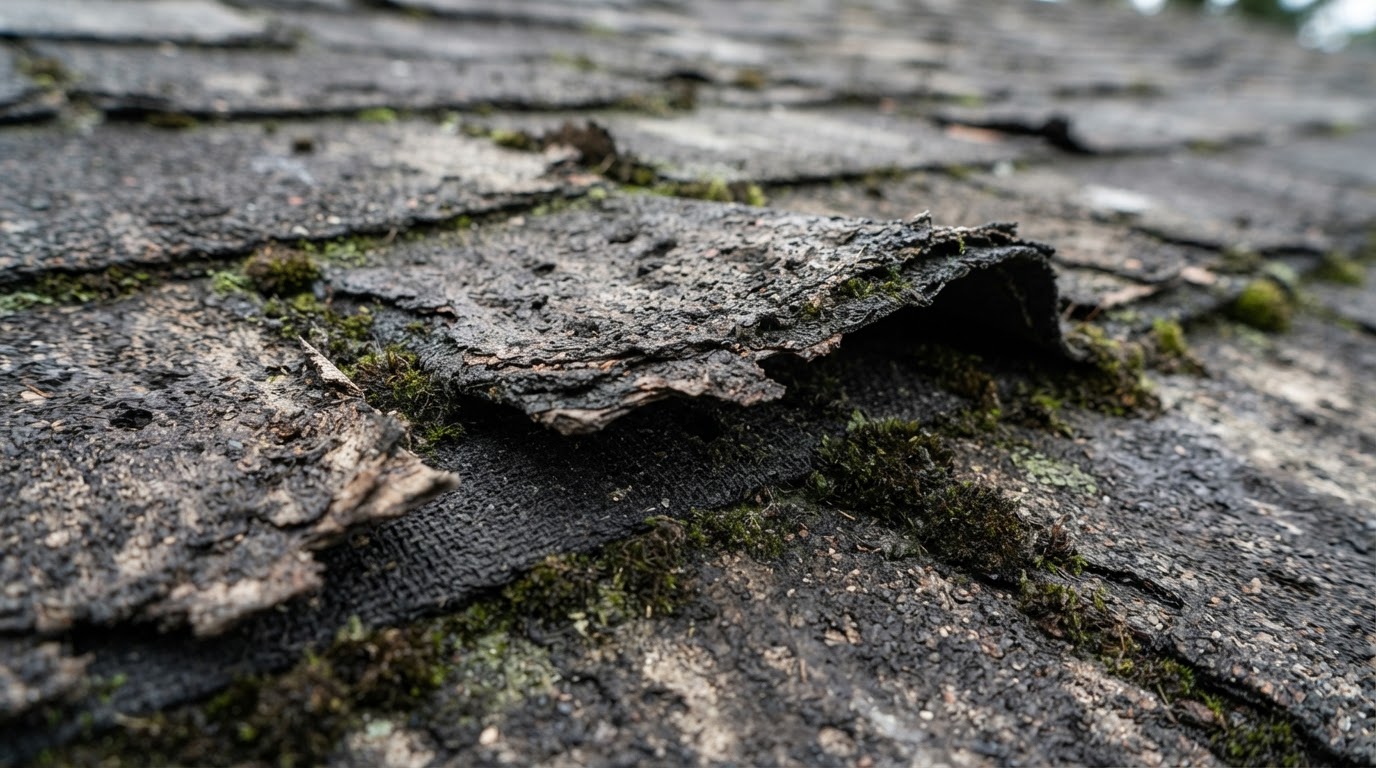
A roof in our area spends months of the year damp. Shingles that never fully dry age faster, and shade from the evergreens everyone loves keeps north-facing slopes wet longest. moss roots into those damp slopes and pries shingles apart season after season. Add needle and leaf buildup holding moisture in the valleys, a few freeze and thaw cycles each winter, and a roof here simply works harder than the same roof in a dry climate. None of this means a short-lived roof is inevitable. It means the rated number assumes a life your roof is not living.
The Four Things That Decide Your Roof's Real Age
- Installation quality. Correct nailing, proper flashing, and the right underlayment are worth five years or more. A careless install is the most common reason a "30-year roof" fails at 18.
- Attic ventilation. A hot, damp attic cooks shingles from underneath and grows mold on the deck. Good airflow is invisible and does more for lifespan than almost anything else.
- Maintenance. Roofs that get moss treatment, debris clearing, and small flashing repairs on schedule consistently outlive neglected roofs of the same age.
- Shade and tree cover. Beautiful, and hard on roofs. The more hours a roof spends shaded and damp, the faster it ages, especially on the north side.
How to Add Years to the Roof You Already Have
Keep moss off it before it roots in, with treatment every one to three years and zinc strips if your roof is shaded. Blow leaves and needles off a few times a year and keep the gutters flowing. Fix the small stuff, a lifted flashing edge or a cracked vent boot, the season you spot it instead of the year it starts leaking. And if your attic feels like a sauna in summer, ask about ventilation. None of this is expensive, and together it is the difference between the rated life and the short one.
How to Tell Where Your Roof Is in Its Life
Granules collecting in the gutters, shingles starting to curl or lose their texture, moss that keeps coming back thicker, and repairs that come more often are the visible signs. Paperwork helps too: if you know when the current roof went on, the table above gives you an honest window. If you do not know, or the signs are adding up, a free inspection with photos tells you exactly where you stand, and our repair vs. replacement guide explains how to act on the answer.
Frequently Asked Questions
Does a 30-year shingle warranty mean my roof will last 30 years?
No. The warranty number is a material rating tier, not a lifespan promise, and most warranties are prorated, meaning their payout value drops steeply with age. In the Pacific Northwest, a "30-year" architectural shingle roof realistically serves 20 to 25 years with decent maintenance.
Why did my neighbor's roof outlast mine?
Usually one of the big four: better installation, better attic ventilation, less shade, or consistent moss control. Two identical roofs on the same street can age five to ten years apart based on those factors alone.
When should I start budgeting for a replacement?
Start watching the roof closely at 15 years and start planning the budget at 18 to 20 for shingles. Homeowners who plan a replacement on their own schedule almost always pay less than homeowners who replace in a panic after a leak damages the inside of the house.
Does a metal roof make sense if I am staying in my home long-term?
Yes, it is the strongest case for metal there is. One metal roof typically covers the span of two shingle roofs, so a homeowner staying 25 years or more usually comes out ahead, with almost no maintenance along the way.
Ready to upgrade Your Roof?
Get an honest assessment, clear pricing, and a 5-year workmanship warranty from our expert team.