
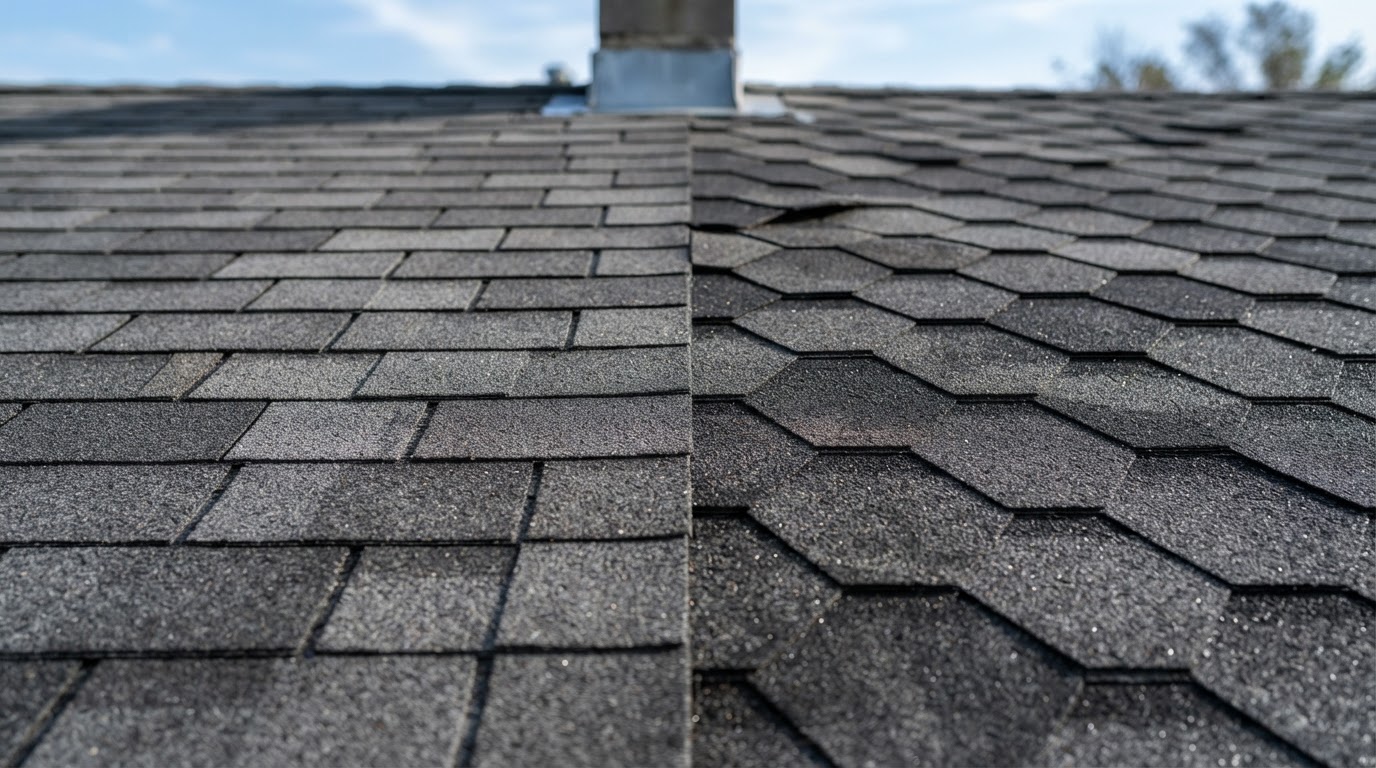
Shingle styles differ in a variety of ways. Shingle type is determined by cost, style, color, and materials. Understanding the design and construction of a roof might help you choose a suitable roofing system. Shingles come in a variety of styles. Their intricacy is an important determinant. Each shingle is unique to the design and architecture of the roof on which it is put.
Organic or fiberglass asphalt shingles? These two roofing options are very distinct, and each has advantages. After all, it's impossible to quantify the benefits of any type of shingle using figures. However, if you're putting together repair or replacement plans for your home's roof, you'll want to keep reading.
Fiberglass Asphalt Shingles is More Fire-Resistant
Fiberglass also conducts heat better than a standard asphalt shingle, so you may be able to lower the temperature set on your heating ducts in the colder months and save energy dollars.
Fiberglass Asphalt Shingles is Easy to Install
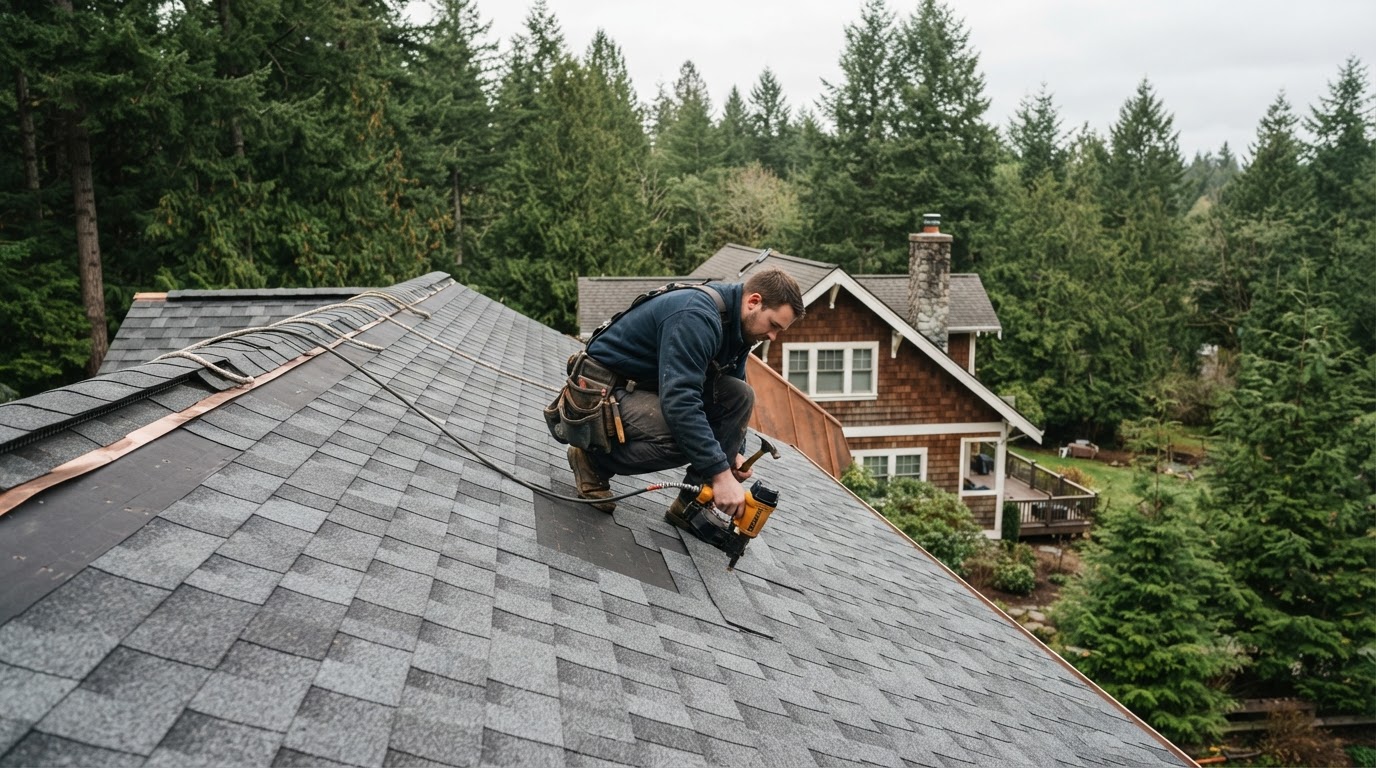
Because of these benefits, fiberglass shingles are the best roofing material for DIY. Fiberglass shingles are a less costly alternative to metal roofs and other forms of composite shingles that need skilled labor to install. Experts recommend that people install fiberglass shingles themselves only if they are confident in fundamental abilities such as using a power saw and hammering a nail.
Fiberglass Asphalt Shingles is Less Expensive
Since Fiberglass asphalt shingles are thinner and contain less asphalt, the installation costs do not need to be as steeply inclined when installed on the roof, making them easier to install and saving money on additional installation costs. Fiberglass shingles are less expensive than asphalt or slate, with prices ranging from one to three dollars per square foot, depending on the kind of fiberglass and the quantity of squares required. Fiberglass shingles are often less expensive because fabricators may earn more money per square foot by reducing material prices.
Organic Asphalt Shingles is More Durable
Organic asphalt shingles are more durable than fiberglass shingles because they include more asphalt. As a consequence, they endure longer. Because of their increased resilience, they are more likely to withstand violent storms without being blown away or destroyed. Because they include more asphalt, these shingles are more robust and last longer than fiberglass shingles. When strong winds blow, the thick organic roofing material boosts storm resistance and is less likely to fly away or be destroyed. The thinner roof tends to brittle and breaks during extreme cold temperature thus fiberglass asphalt doesn't perform well in colder climates, and because the foundation is made up of a thick layer of cellulose, the Organic Asphalt Shingle is more durable.
Organic Asphalt Shingles is Resistant to algae and discoloration
Organic asphalt shingles have a specific protective coating that prevents discoloration, which is common in ordinary shingles. This allows them to keep their original color and appearance for a longer period of time, giving you a more classic-looking roof. This is especially useful for those who want to avoid the browning effects of algae and fungus growth that are common in fiberglass asphalt shingles.
Organic Asphalt Shingles is best for Freezing Weather
Organic asphalt shingles, also known as "organic composite shingles," are an excellent choice for residences in cold climates. Organic asphalt shingles can also improve the look of your property. Organic asphalt shingles are often thicker than fiberglass shingles, leading to a higher R-value. This makes them a better alternative for colder locations, albeit less natural fibers are utilized in their production. Fiberglass shingles are more resistant to ice nails and hail.
Fiberglass Asphalt Shingles is More Energy-Efficient
Fiberglass shingles are the most environmentally friendly alternative. They are less difficult to transport than typical asphalt shingles, reducing their environmental effect. Both have Class A fire ratings, although fiberglass shingles are less likely to break under high heat. Our fiberglass shingles are an excellent alternative for homes due to their energy-saving and cool roof technology. Fiberglass Shingles are energy-efficient shingle that combines a popular style with historical quality.
Organic vs. Fiberglass at a Glance
| Organic Asphalt | Fiberglass Asphalt | |
|---|---|---|
| Base material | Felt and cellulose mat soaked in asphalt | Fiberglass mat coated in asphalt |
| Weight | Heavier and thicker | Lighter and thinner |
| Fire resistance | Class A with coatings | Class A, naturally more fire-resistant |
| Cold weather | Thick mat, higher R-value | Can get brittle in extreme cold |
| Wet climates | Absorbs moisture over time and can break down early | Resists moisture, the standard in rainy regions |
| Availability today | Largely discontinued | The standard shingle sold today |
The Bottom Line for Pacific Northwest Homes
One update matters if you are reading this in the Bellevue, Kirkland, or Lake Stevens area: organic shingles are rarely sold anymore. Their felt mat absorbs moisture over the years, and in a rainy climate like the Pacific Northwest that makes them curl and break down early, which is why manufacturers moved away from them. Fiberglass architectural shingles are what Best Quality installs on local homes today. They resist moisture, carry a Class A fire rating, and hold up far better in our wet winters. If your current roof has older organic shingles that are curling or losing granules, that early wear is a known issue with the material, not something you caused.
When researching roofing materials like Shingles Roofing, consult your local roofing provider for advice. Only they will be able to go over your roof's characteristics in-depth, so you know what will work best for the lifespan of your roof. Enhance the outside with appealing roofing materials that will raise the value of your ground and safeguard them for many years. If you're looking for Shingles Roofing or any Roofing Services in the Greater Seattle Area, give Best Quality a call at (425) 382-1786 and avail of our 100% guaranteed free estimation!
Frequently Asked Questions
Are organic asphalt shingles still made?
Largely no. Major manufacturers phased organic shingles out because the felt mat absorbs moisture and the shingles deteriorate early, especially in wet climates. Fiberglass shingles replaced them as the industry standard.
Which is better for the Seattle and Bellevue area, organic or fiberglass shingles?
Fiberglass, and it is not close. The Pacific Northwest's constant rain is exactly what breaks organic shingles down early. Fiberglass architectural shingles resist moisture, resist moss and algae growth better with modern granules, and are what local roofers install today.
How can I tell if my roof has organic shingles?
It is hard to tell from the ground. Organic shingles are thicker and heavier, and on older roofs they often show early curling, blistering, and heavy granule loss. A roofer can confirm it during an inspection by checking the mat at the shingle edge.
Do fiberglass shingles have a Class A fire rating?
Yes. Fiberglass shingles carry a Class A fire rating, the highest available, and the fiberglass mat itself does not burn, which makes them more fire-resistant than organic shingles.
Ready to Upgrade Your Roof?
Get an honest assessment, clear pricing, and a 5-year workmanship warranty from our expert team.